2026-09-10 · 9 min
What is the history of Chongqing?
Chongqing's story runs from the ancient Ba kingdom to a wartime capital and a modern megacity built on two rivers.
Few Chinese cities carry as much layered history as Chongqing. Perched on a peninsula where the Jialing River meets the Yangtze, it has been a river stronghold, a trading hub, a besieged wartime capital, and now one of the fastest-growing municipalities in the country. Understanding that history makes the city's steep streets, old guild halls, and riverfront towers much easier to read.
Where does Chongqing's history begin?
Long before the name Chongqing existed, the region was the heartland of the ancient state of Ba, a river-based culture that flourished more than two thousand years ago in the mountains and gorges of the upper Yangtze. Ba people were known for their boatmanship, bronze work, and control of river trade routes, and their capital is generally placed near present-day Chongqing. The state was absorbed by Qin in the third century BCE, but the memory of Ba survives in local place names and in Chongqing's enduring identity as a river city.
Where does the name Chongqing come from?
The name Chongqing, meaning roughly 'double celebration', dates to 1189 under the Southern Song dynasty. Prince Zhao Dun was enfeoffed here and then ascended to the throne as Emperor Guangzong in the same year, a double stroke of good fortune that gave the city its lasting name. Before this the settlement had passed through several earlier names, but Chongqing has stuck for over eight centuries.
How did Chongqing grow as a river-trade city?
During the Ming and Qing dynasties, Chongqing's position at the confluence of the Jialing and Yangtze rivers made it a natural transshipment point for salt, tea, timber, and grain moving between Sichuan and the middle Yangtze provinces. Wars and plagues had emptied much of Sichuan by the early Qing, prompting the government to encourage large-scale migration known as 'Huguang Fills Sichuan', bringing settlers mainly from Hunan and Hubei. These migrants built guild halls, or huiguan, to organize trade and support fellow provincials, and several of these riverside halls survive today as some of the city's most atmospheric heritage sites.
What can visitors see from the Huguang migration era?
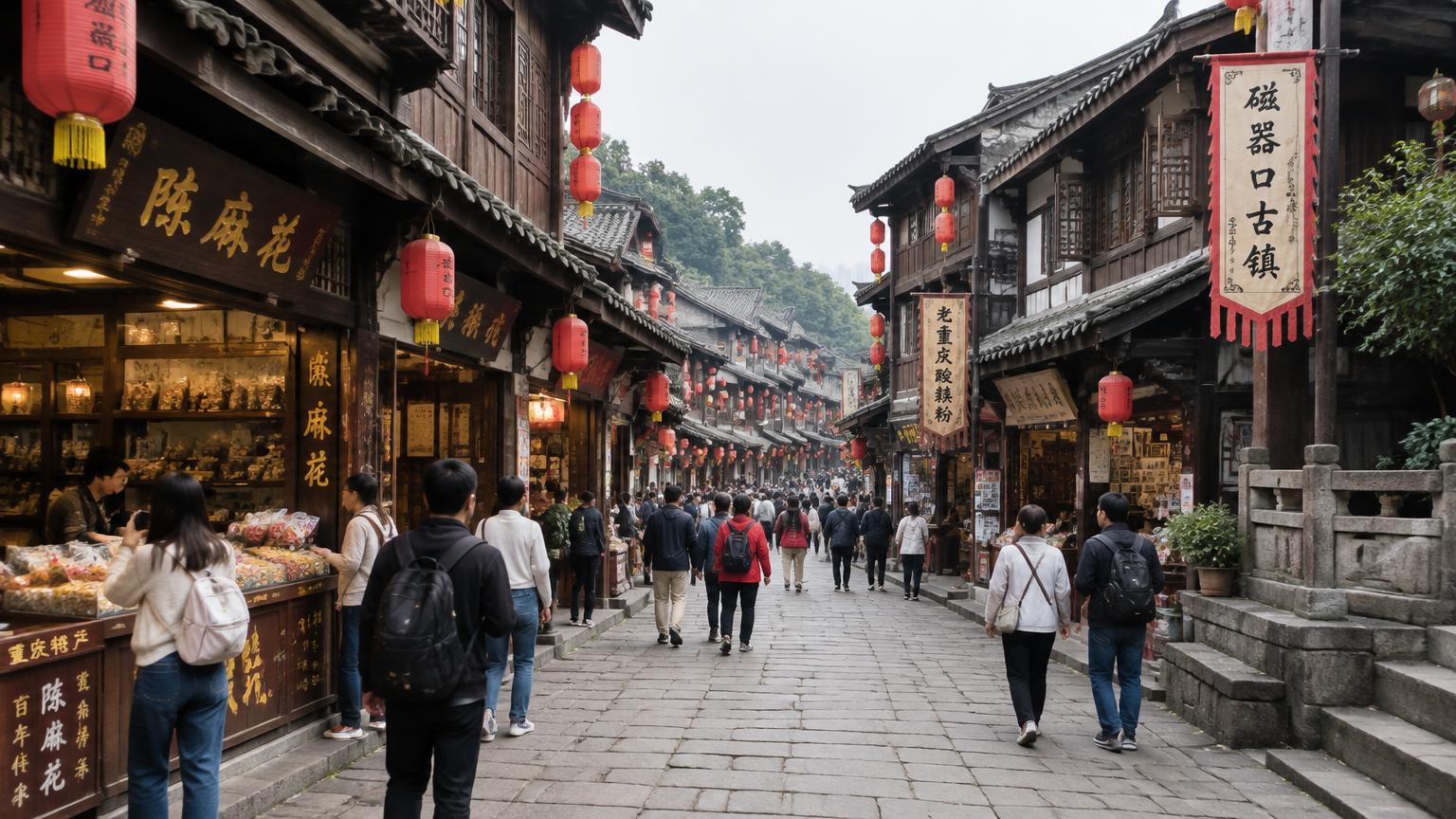
The Huguang Guild Hall complex, restored along the Yangtze riverbank, is the best place to see this migration history up close. It groups together several halls built by different provincial merchant communities, with courtyards, opera stages, and carved beams that reflect the wealth river trade brought to the city. Nearby, the old town of Ciqikou preserves narrow stone lanes, teahouses, and wooden shopfronts that recall Chongqing's life as a bustling Ming and Qing river port, long before it became a treaty port or wartime capital.
When did Chongqing open as a treaty port?
Chongqing was opened as a treaty port in 1891 under the terms negotiated after the Sino-Japanese conflicts of the era, allowing foreign steamships and merchants direct access far up the Yangtze for the first time. This brought consulates, foreign trading houses, and new infrastructure to the riverbanks, accelerating the city's transformation from a regional trade hub into an internationally connected port city, even as the surrounding hills and gorges kept it geographically remote from the coast.
Why was Chongqing China's wartime capital?
After Japan invaded China in 1937 and Nanjing fell, the Nationalist government relocated inland, and Chongqing served as China's wartime capital from 1938 to 1945. Its mountainous terrain and river access made it defensible, but the city endured some of the most sustained aerial bombing of the entire war, as Japanese forces carried out repeated raids intended to break morale. Chongqing's residents responded by carving an extensive network of air-raid tunnels into the soft sandstone hillsides, sheltering hundreds of thousands of people during raids.
What happened to Chongqing's air-raid tunnels?
Many of the tunnels dug during the wartime bombing survive today, and some have been repurposed as museums, hotpot restaurants, and atmospheric bars built directly into the rock, letting visitors experience the tunnels as living spaces rather than only historical relics.
What is the Stilwell Museum?
The Stilwell Museum occupies the former residence of American general Joseph Stilwell, who served as chief of staff to Chiang Kai-shek during the wartime alliance, and it documents US-China cooperation against Japan during the 1938-1945 period.
Where can I learn more about this period today?
The Three Gorges Museum, facing the Great Hall of the People downtown, and the Stilwell Museum both hold extensive exhibits on the wartime capital years, alongside displays covering earlier river trade and the Three Gorges region.
How did the Three Gorges Dam change Chongqing?
The Three Gorges Dam, completed in stages through the 2000s downstream on the Yangtze, raised water levels across a huge stretch of the river, including within Chongqing municipality. This required the resettlement of large numbers of people from towns and villages along the reservoir area, one of the largest engineering-driven relocations in modern history. It also reshaped river transport and tourism, since Yangtze cruises through the Three Gorges typically begin or end in Chongqing, and the Three Gorges Museum was built to document both the dam project and the deeper history of the gorges.
When did Chongqing become a direct-administered municipality?
In 1997, Chongqing was separated from Sichuan province and elevated to a direct-administered municipality, alongside Beijing, Shanghai, and Tianjin, giving it provincial-level status and administrative responsibility over a vast surrounding region that includes the Three Gorges reservoir area. This status was closely tied to managing the dam's resettlement and development needs, and it gave Chongqing the authority and investment to grow rapidly over the following decades.
How did Chongqing become a modern megacity?
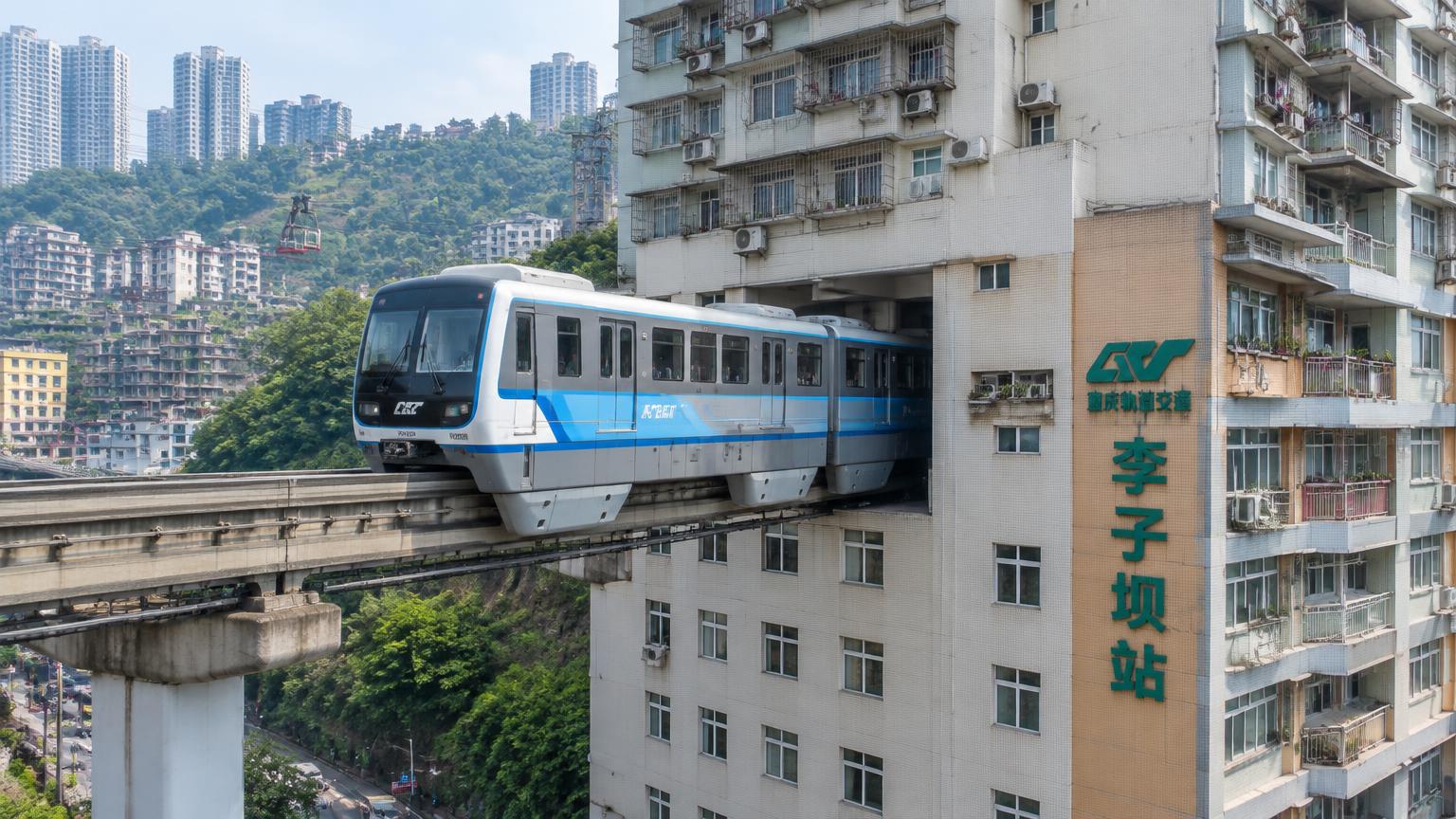
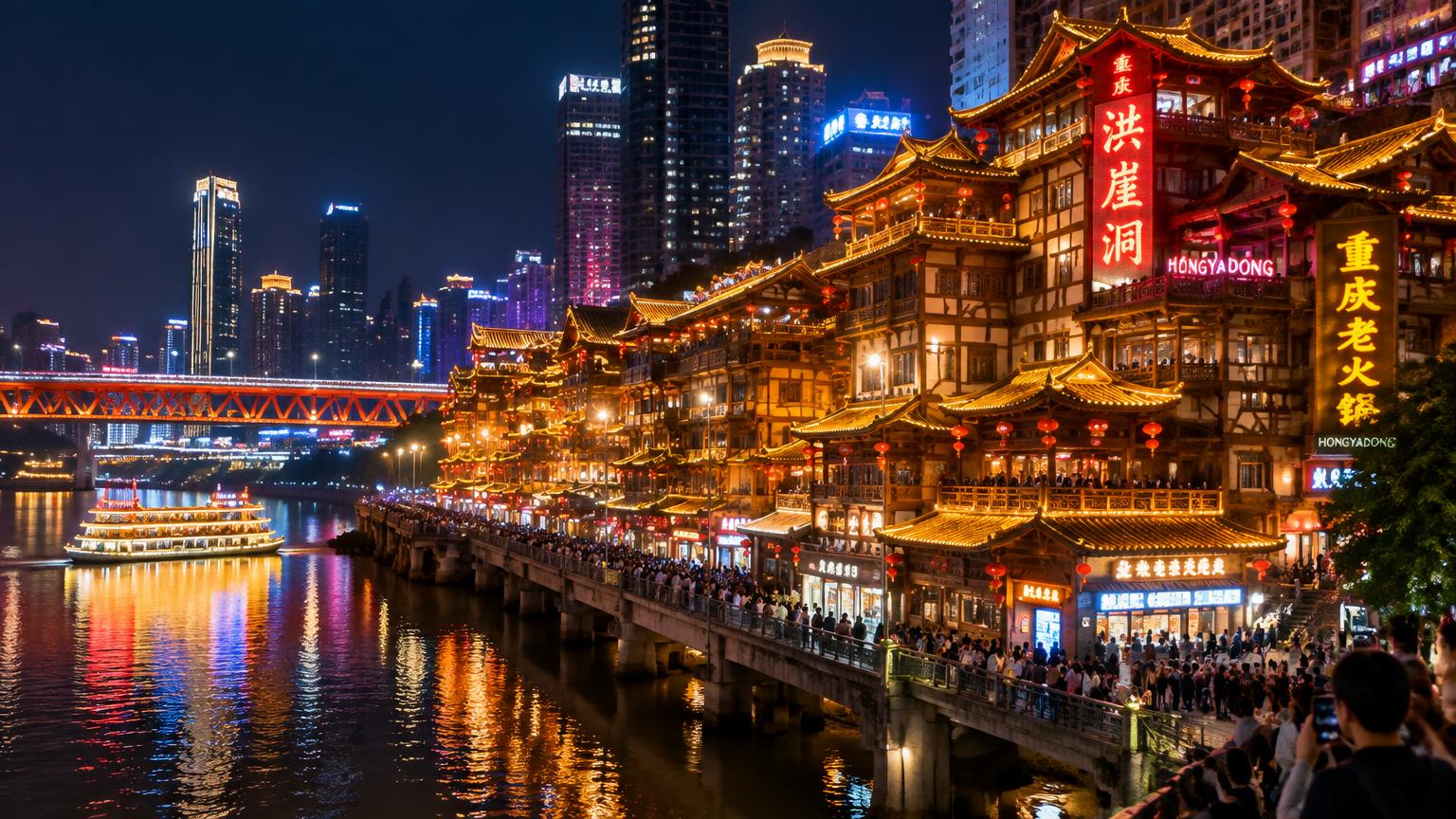
Since 1997, Chongqing has built out an extensive network of bridges, elevated highways, and a metro and monorail system engineered specifically for its dramatic hills and rivers, most famously the monorail line that runs directly through a residential tower. The riverfront skyline around Jiefangbei and along the Jialing has been rebuilt with high-rise towers, while historic quarters such as Ciqikou and the restored Hongyadong riverside complex were preserved and renovated as reminders of the older river city beneath the new one.
What older streets and steps can still be seen in the city center?
Because central Chongqing is built on steep hillsides, much of its old street pattern survives as stepped lanes rather than flat roads. The Eighteen Steps, or Shibaiti, is one such historic stairway lane in the older part of downtown, lined with traditional buildings and small shops, and it remains a popular place to see how residents navigated the city's terrain long before elevators and cable cars existed.
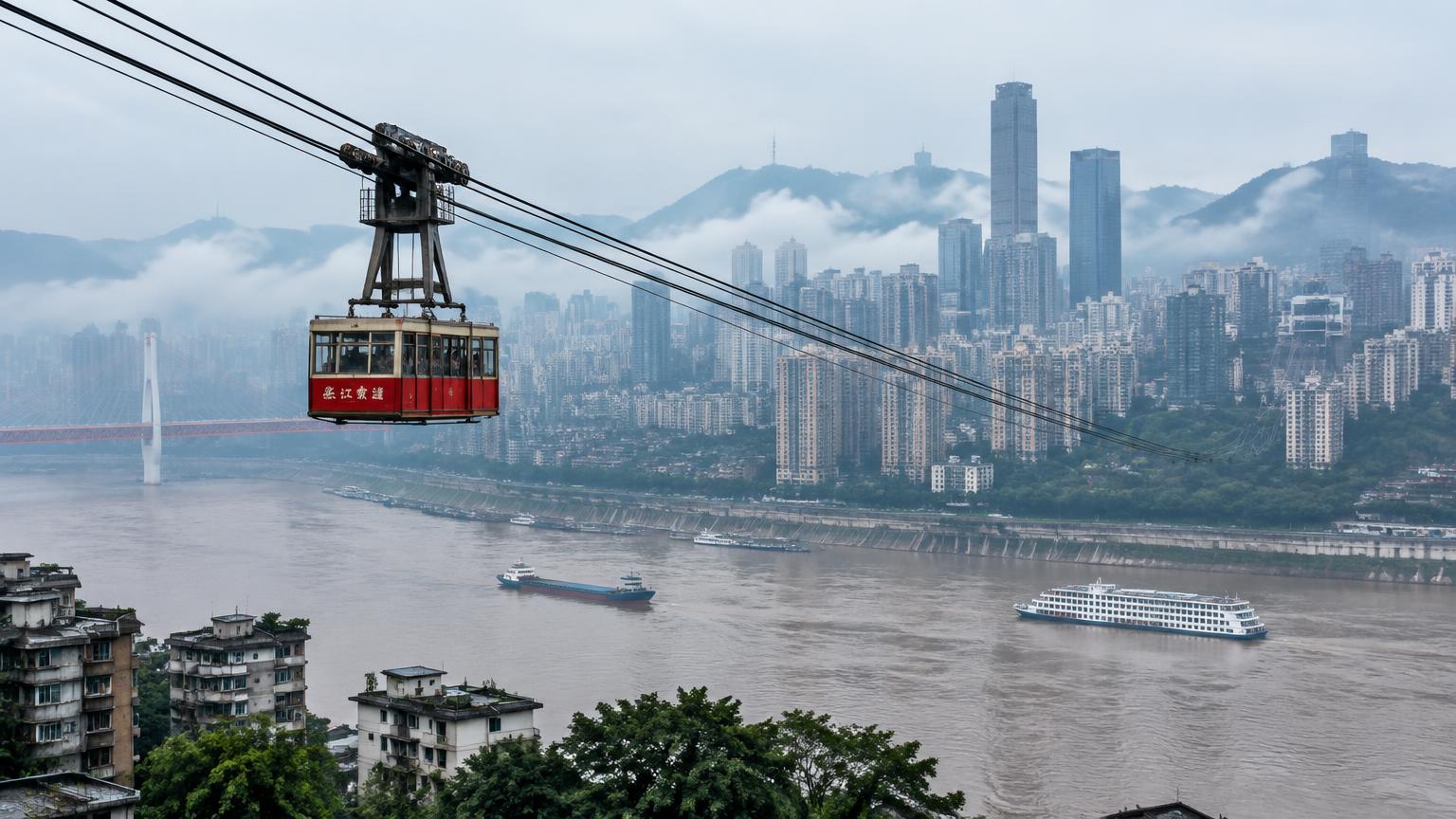
Where is a good base for exploring this history today?
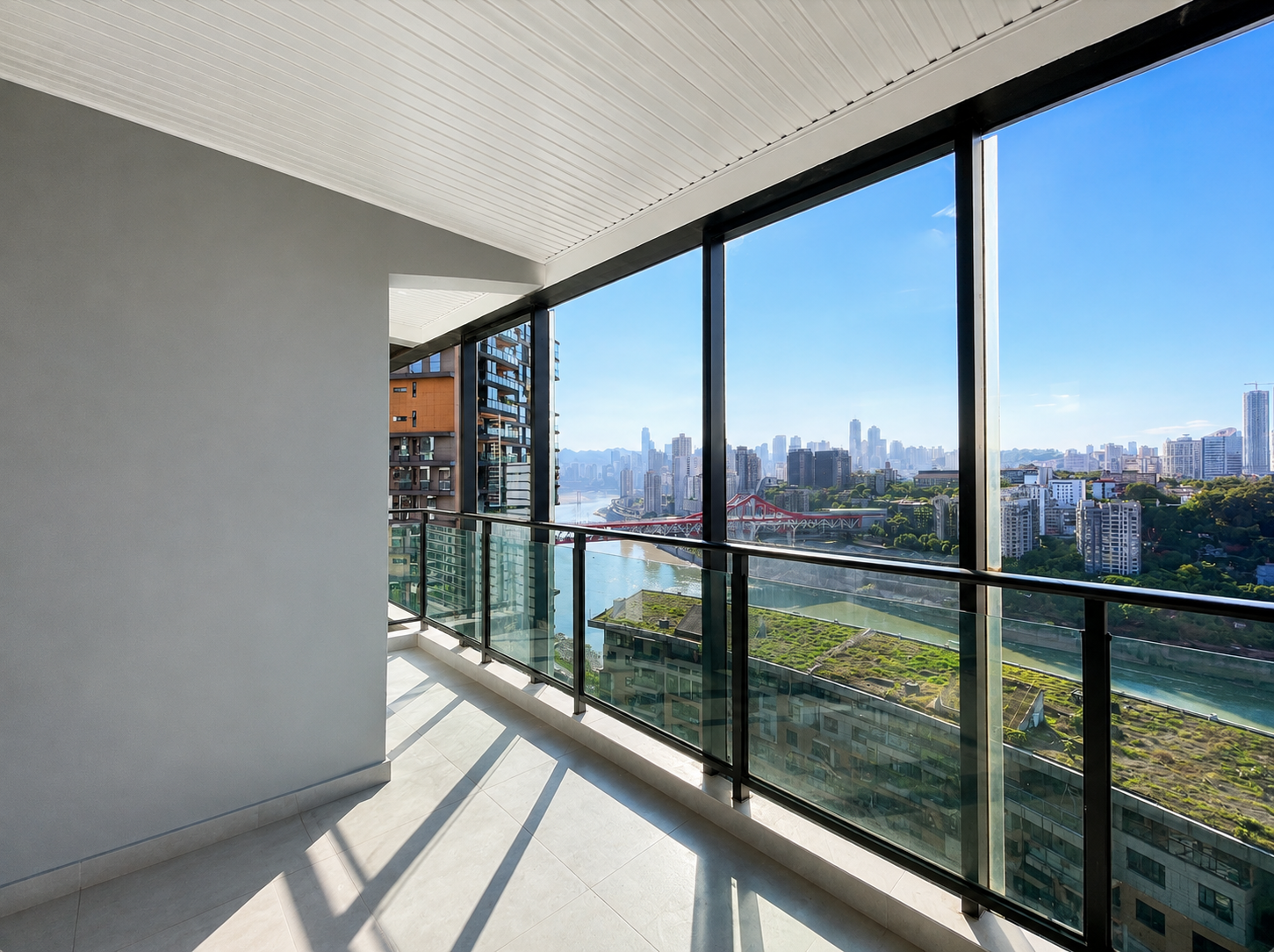
House of Pearl sits on Beibin Road in Jiangbei District, facing the Jialing River and close to the historic riverfront, with the Liyuchi metro station on Lines 9 and 10 nearby, making it a convenient base for reaching Hongyadong, Ciqikou, and the downtown museums that trace this history from the ancient state of Ba to the present day.
What does the name Chongqing mean?
Chongqing means roughly 'double celebration' or 'repeated celebration', a name given in 1189 when a Southern Song prince enfeoffed there ascended to the throne the same year.
Was Chongqing always part of Sichuan?
Chongqing was historically administered as part of Sichuan province until 1997, when it was separated out and made a direct-administered municipality with its own provincial-level status.
Why does Chongqing have so many tunnels and stairways?
The city's hilly sandstone terrain encouraged stepped streets long before modern engineering, and the same soft rock made it possible to dig extensive air-raid shelters during the wartime bombing of 1938-1945, many of which survive today.