2026-09-20 · 7 min
How should you spend 3 days in Chongqing?
A no-nonsense 72-hour plan for first-time visitors, covering the city core, the old town and a half-day trip beyond.
Is 3 days enough to see Chongqing?
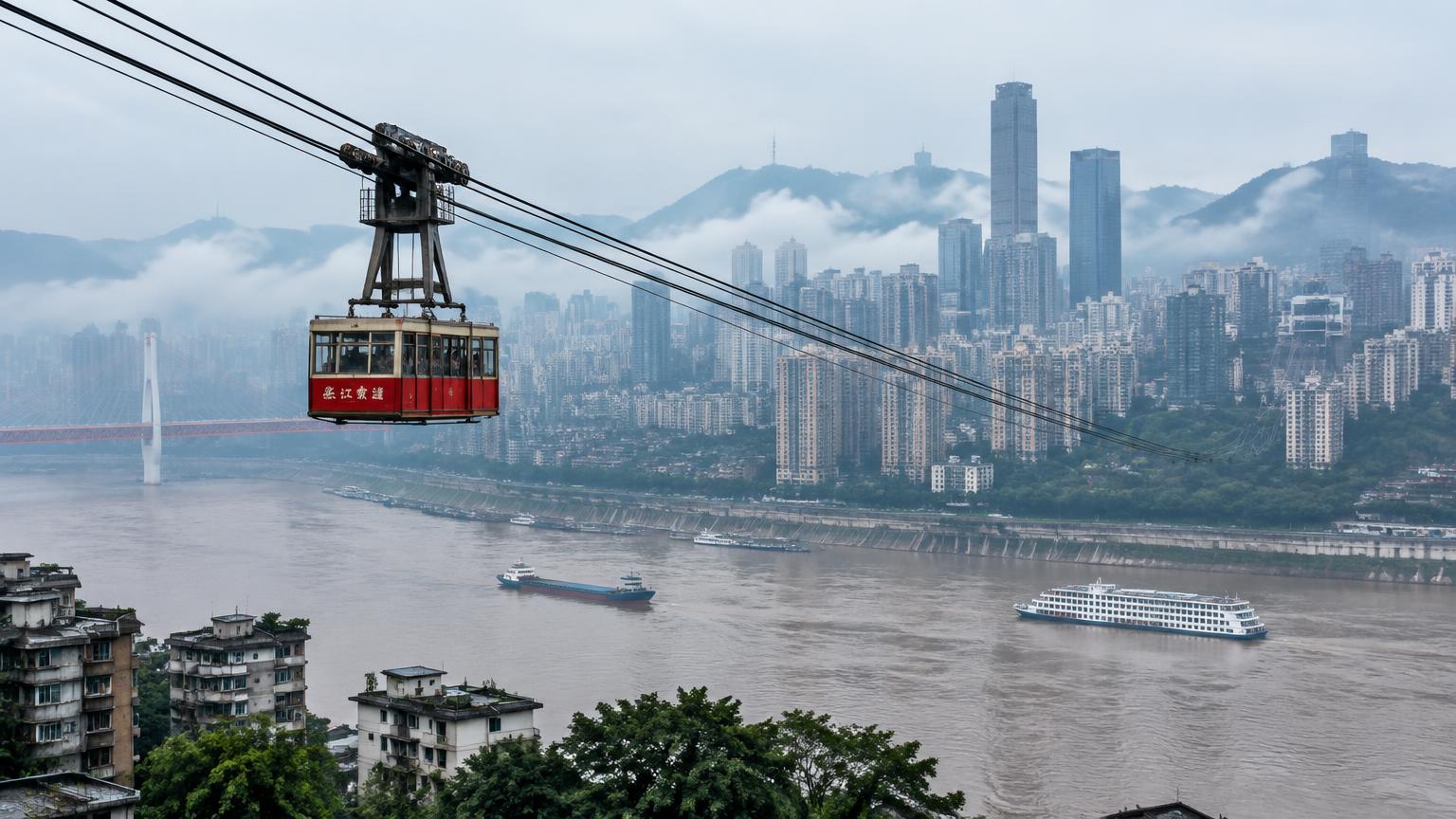
Yes. Three days lets you cover the city core, the historic riverside district and one longer excursion without rushing. Chongqing is famous for its layered, mountainous layout, so plan for a lot of walking, escalators and metro rides rather than long taxi queues. Group sights by neighborhood and you can see the highlights on foot each morning and evening.
How should you spend day one in Chongqing?
Start at Jiefangbei, the pedestrian shopping core downtown, then walk toward Hongyadong, the stilted riverside complex famous for its glowing tiered facade at night. In between, take the Kuixinglou pedestrian walkway, an elevated corridor that links the upper city to the riverfront and gives sweeping views over the Jialing River without needing a car.
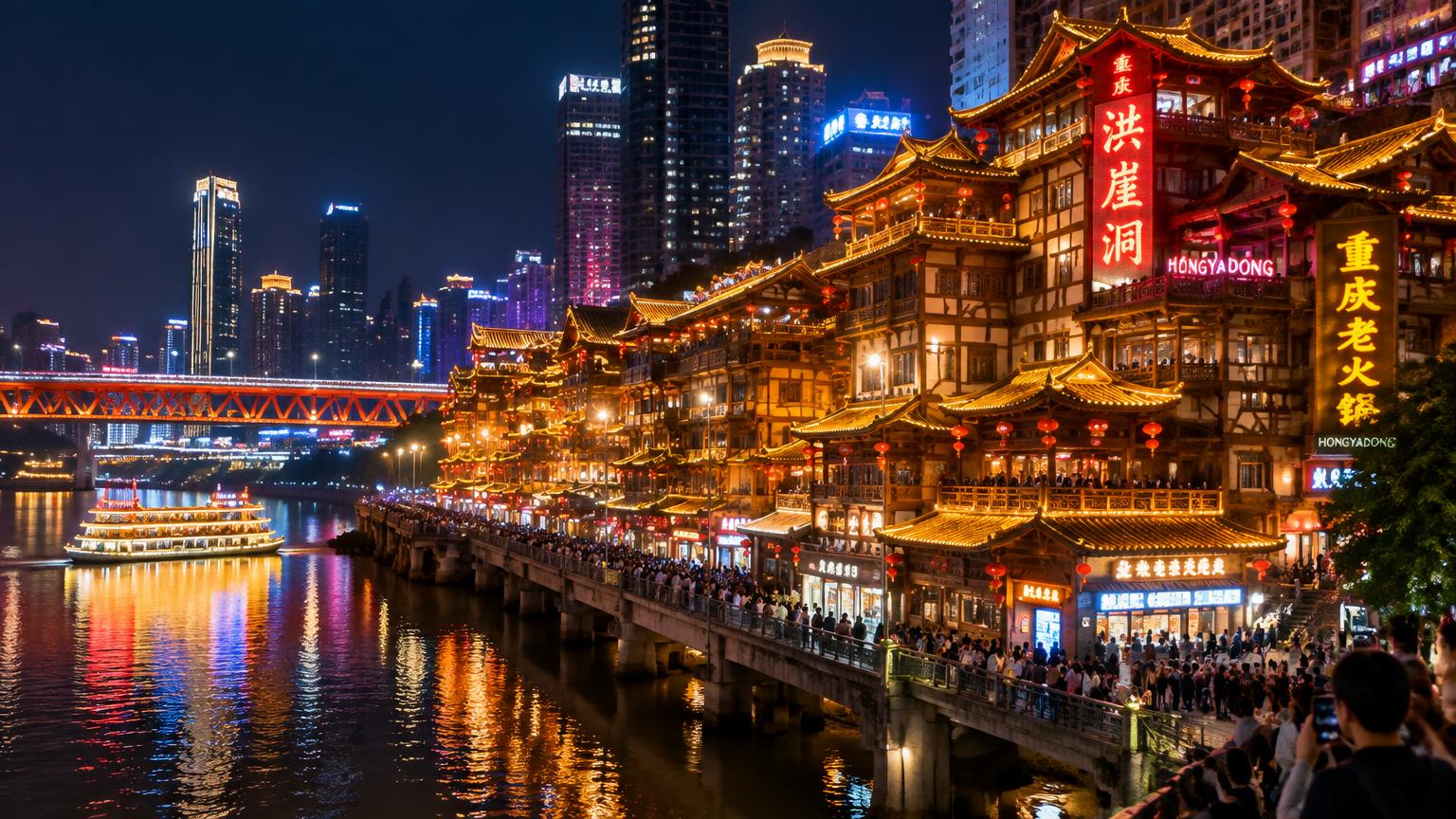
Aim to reach Hongyadong just before sunset so you see it in daylight and lit up after dark. The complex is walkable from Jiefangbei in about twenty minutes, or one metro stop, so there is no need to rush the transition between the two.
Where should you stay for a 3-day Chongqing trip?
House of Pearl is a four-bedroom riverside apartment at Longfor Spring River Bank on Beibin Road, Jiangbei District, right next to Liyuchi metro station on Lines 9 and 10. Staying there puts both the city core and Jiangbei's riverside restaurants within a short ride, and the two metro lines make day trips to Ciqikou or the North Railway Station straightforward without changing trains.
What should you do on day two in Chongqing?
Dedicate day two to Ciqikou ancient town, a Ming and Qing dynasty river port lined with stone lanes, teahouses and craft shops. Nearby, the Huguang Guild Hall is a well-preserved cluster of merchant halls worth an hour of wandering, and Shibati is a steep, terraced old neighborhood that has been restored into a lively mix of shops, bars and viewpoints over the river.
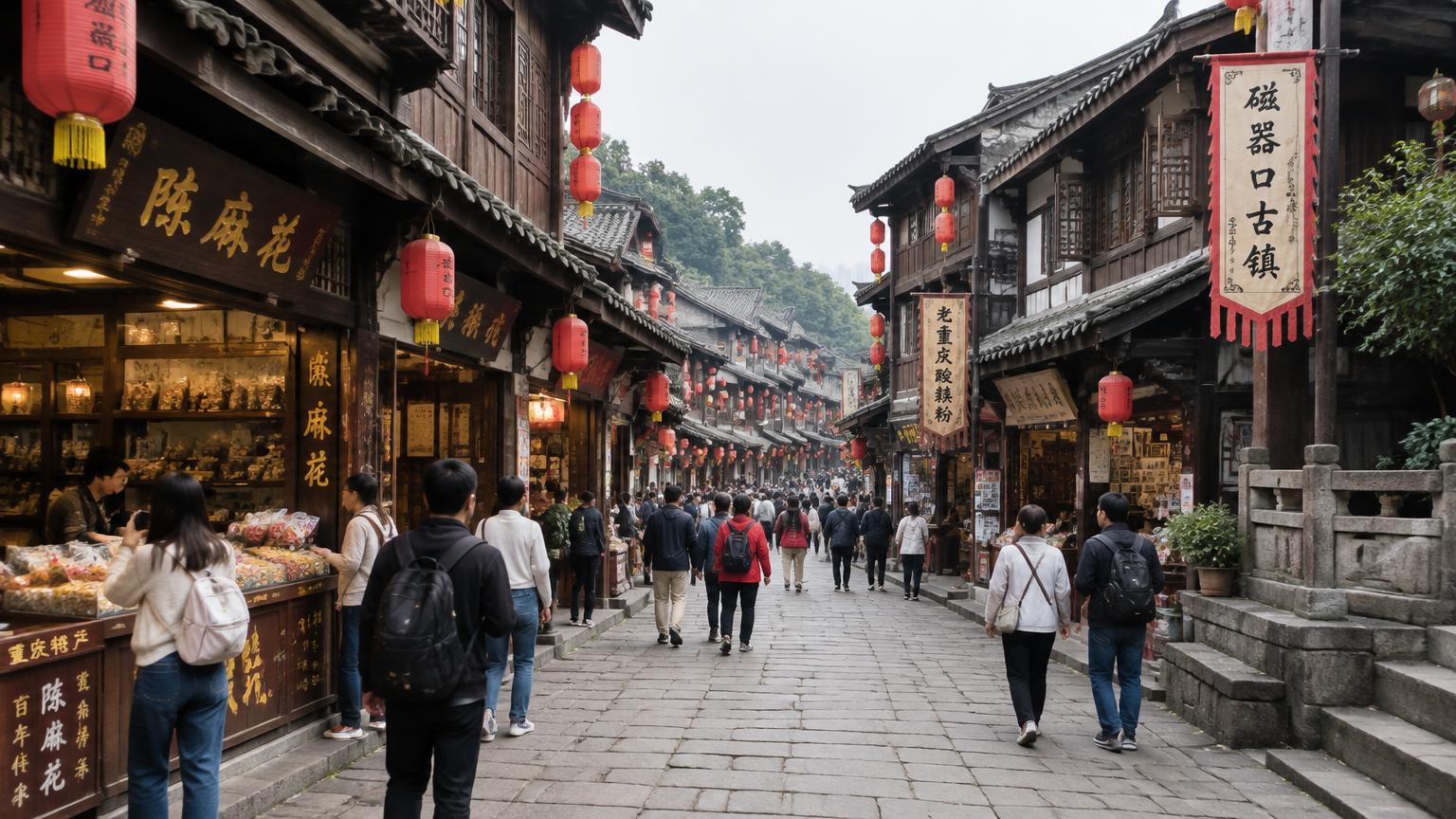
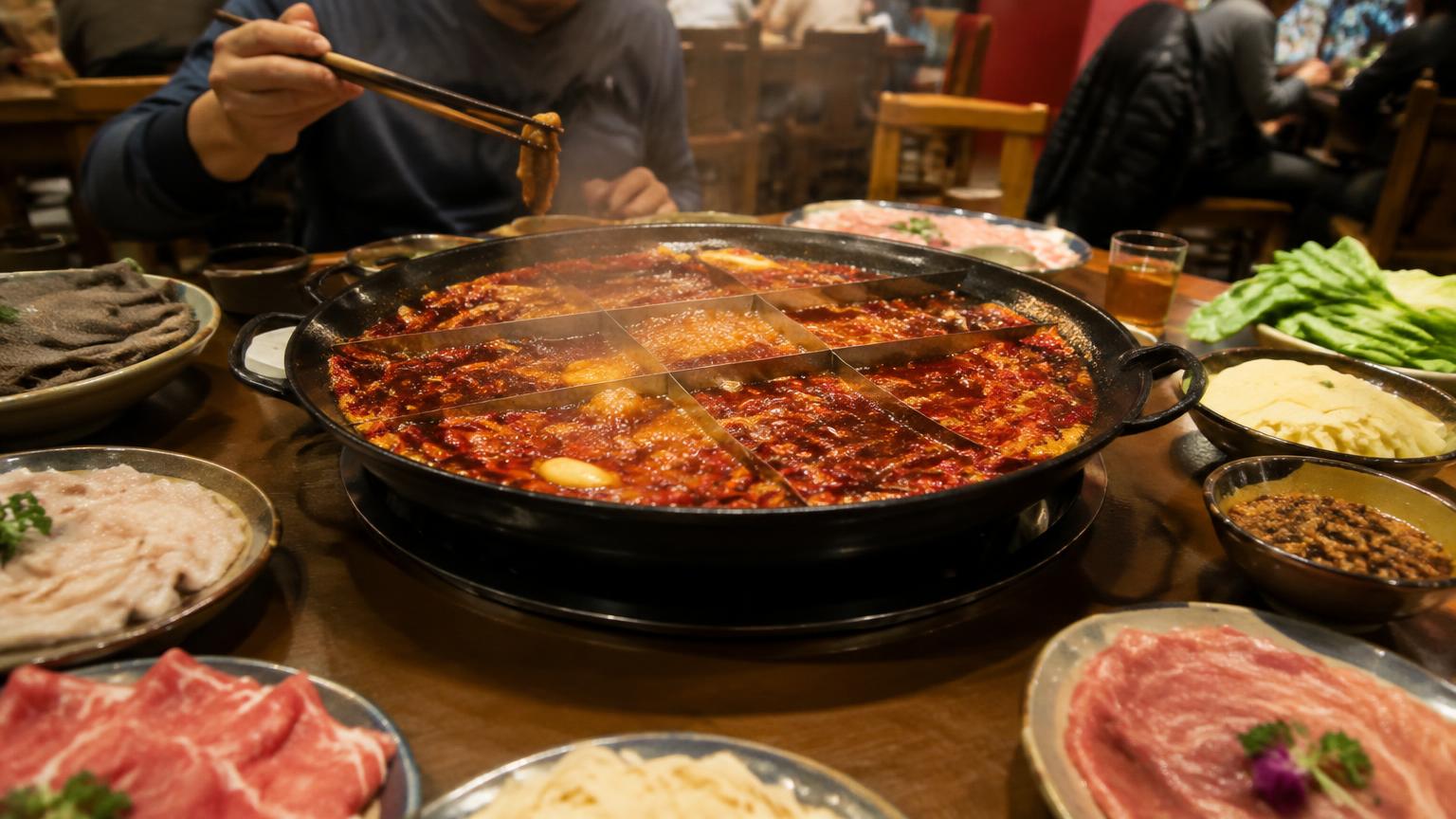
Ciqikou is reachable by Metro Line 1 to Ciqikou station, about 25 to 30 minutes from the city core. Finish the day with hotpot, Chongqing's signature dish: a bubbling, mala spiced broth shared at the table, ideally at a local restaurant rather than a tourist-oriented one near the main gate.
What is the best day trip from Chongqing on day three?
For day three, most visitors choose one of three options: the Dazu Rock Carvings, a UNESCO World Heritage site of Buddhist and Taoist stone sculpture about 90 minutes from the city by highway; the Wulong Karst, dramatic sinkholes and natural bridges around two and a half hours away; or a shorter Yangtze river cruise segment that shows the scale of the river without committing to a multi-day voyage.
If you have limited time, Dazu is the most efficient half-day option and can be done as a round trip within a single day, returning to the city by evening. Wulong and the longer river routes suit travelers with a full day to spare or an extra night in the schedule.
How do you get around Chongqing without a car?
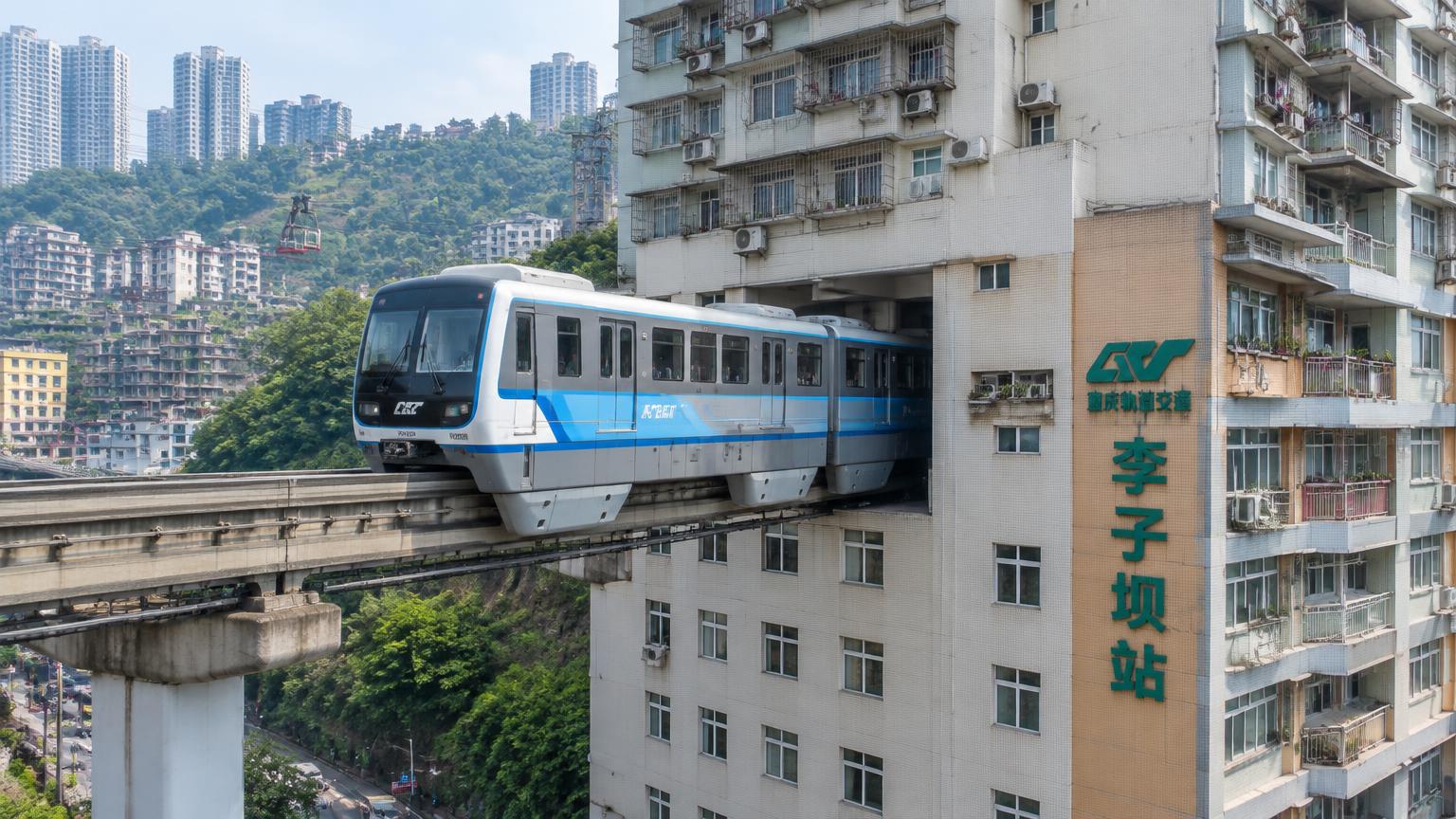
The metro is the fastest and most reliable way to move around, with Lines 1, 2, 3, 6, 9 and 10 covering most sights mentioned here. Line 2's monorail section runs directly through a residential tower at Liziba, a popular photo stop, and the Yangtze River cable car is a quick, scenic alternative to the metro for crossing between the peninsula and the south bank.
What is the weather like in Chongqing across the seasons?
Spring and autumn, roughly March to May and September to November, bring mild temperatures and the clearest views, making them the best seasons for walking-heavy itineraries. Summer is hot and humid with temperatures regularly above 35°C, so plan outdoor sightseeing for early morning or evening. Winter is mild but often overcast and damp, with fog that can soften the skyline views from viewpoints like Eling Park.
How can you avoid the crowds in Chongqing?
Hongyadong and Ciqikou are busiest from late afternoon through the evening and on weekends, so visit key photo spots right after they open or on a weekday morning instead. Booking Dazu or Wulong tickets in advance and starting the day trip early also helps you beat tour groups that tend to arrive by midday.
Do I need a car in Chongqing?
No. The metro, cable cars and walkable pedestrian corridors cover almost every major sight, and hilly terrain often makes rail transit faster than driving.
How many days should I add for the Yangtze cruise?
A short scenic segment can fit into day three, but a full multi-day Yangtze cruise through the Three Gorges typically needs its own separate trip of several days.
Is Ciqikou worth visiting if I have already seen Hongyadong?
Yes, they are different in character. Hongyadong is a modern riverside complex built in a traditional style, while Ciqikou is an older river port town with genuine historic lanes and teahouses.
What should you pack for a 3-day Chongqing trip?
Pack comfortable walking shoes with good grip, since much of the city involves stairs, slopes and escalators rather than flat streets. Bring an umbrella or light rain jacket regardless of season, as Chongqing sees rain and mist year-round, and a portable phone charger is useful for a day spent moving between metro lines and viewpoints.
What is the best area to base yourself for a short Chongqing trip?
Jiangbei District, near Liyuchi metro station on Lines 9 and 10, offers quick access to the city core and Ciqikou while staying close to riverside dining, which is why apartments such as House of Pearl at Longfor Spring River Bank on Beibin Road work well for a three-day plan.
Can I see Chongqing's skyline for free?
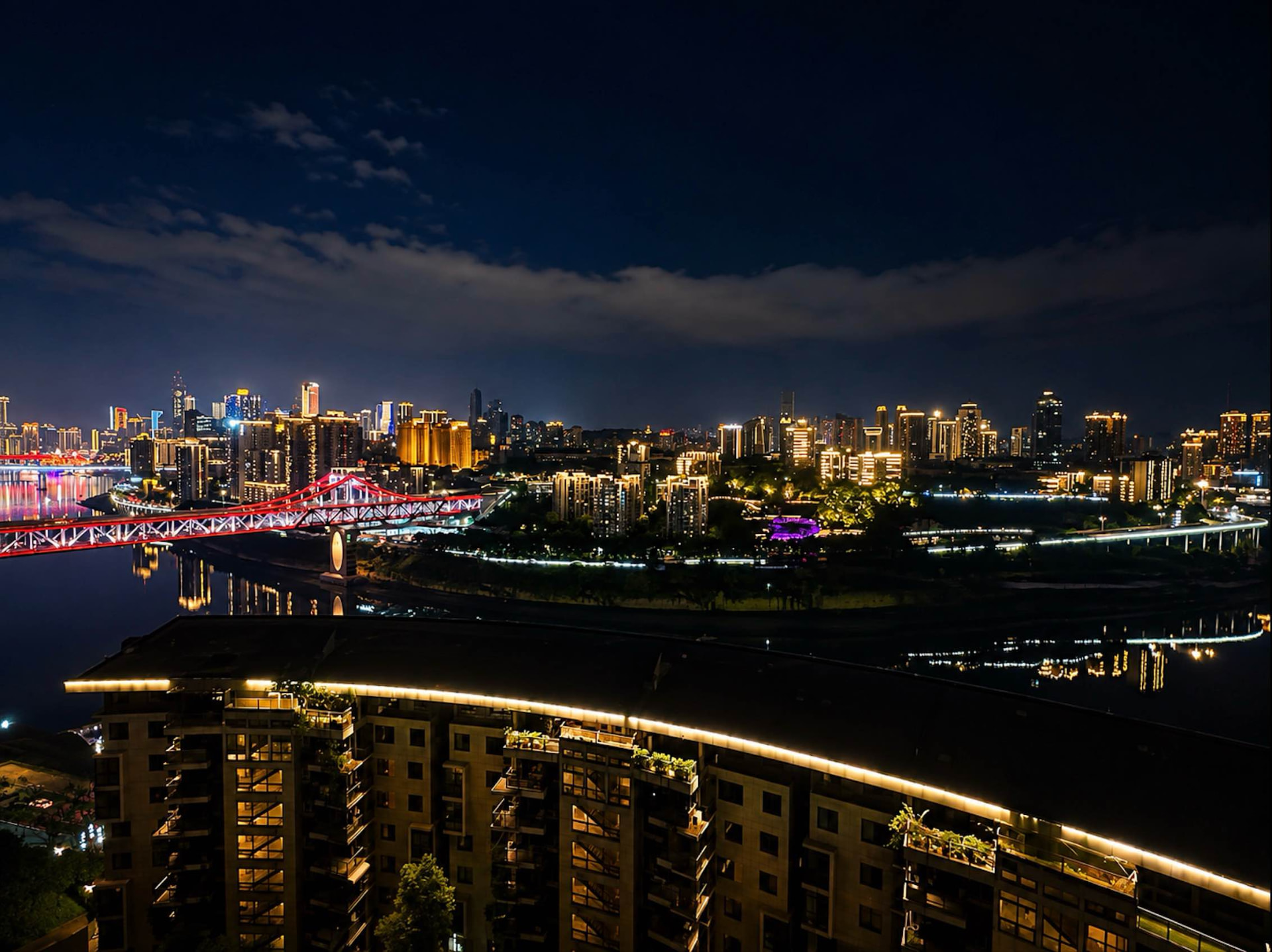
Yes, riverside promenades along Beibin Road and viewpoints such as Eling Park offer skyline views at no cost, without needing a paid observation deck.
What is the takeaway for a first 3-day visit to Chongqing?
Spend day one in the city core around Jiefangbei and Hongyadong, day two exploring Ciqikou, the Huguang Guild Hall and Shibati before a hotpot dinner, and day three on a half-day trip to Dazu, Wulong or the Yangtze. Basing yourself in Jiangbei near a well-connected metro station keeps every leg of that plan short and predictable.