2026-09-22 · 7 min
What can you do in Chongqing in 2 days?
Two days is enough to see Chongqing's skyline, ride a train through a building and eat real hotpot — here's exactly how.
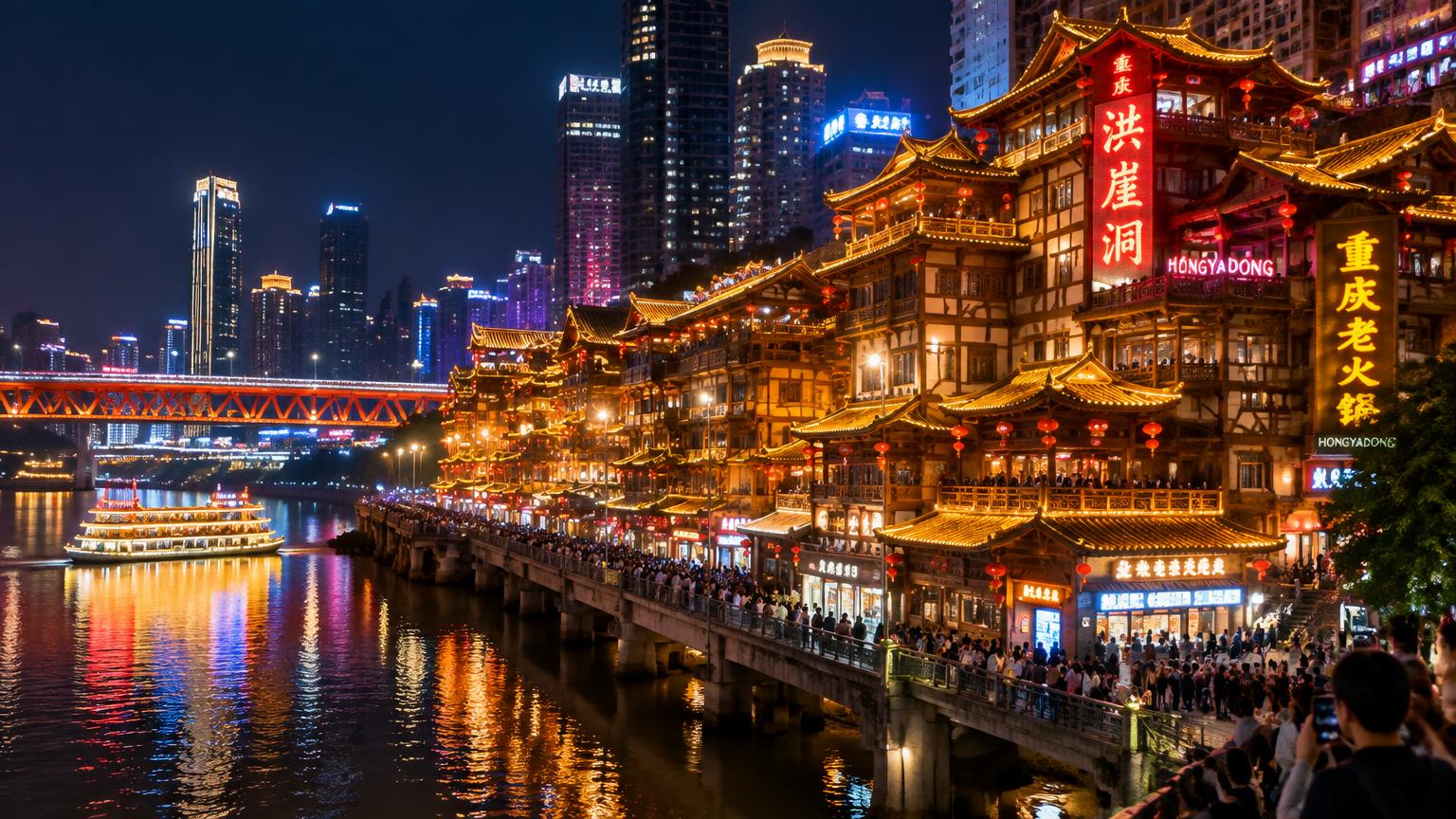
Chongqing rewards even a short visit because its best sights sit close together along the Yangtze and Jialing rivers. In 48 hours you can cover the classic downtown circuit, the Liziba monorail, a cable car crossing and a proper hotpot dinner without feeling rushed. This itinerary is built around Metro Lines 1, 2, 6, 9 and 10, so you rarely need a taxi.
How many days do you actually need in Chongqing?
Two days is the sweet spot for a first visit: enough time for Jiefangbei, Hongyadong, Liziba and one river crossing, without the fatigue of a longer stay in the humidity. If you have a third day, add Ciqikou Ancient Town and the Three Gorges Museum. Most travelers arrive by high-speed rail into Chongqing North or by air into Jiangbei International Airport, both of which connect directly to the metro network.
When should you arrive to make the most of day one?
Aim to land by early afternoon so you can settle in, then head straight into the city for the evening light show. Hongyadong's terraces are lit from dusk until around 10:30 pm, and the crowds thin noticeably after 9 pm. Late morning arrivals still work fine, since the real highlight of day one only starts once the sun goes down.
What is the best route for day one in downtown Chongqing?
Start at Jiefangbei, the pedestrian shopping core anchored by the Liberation Monument, then walk roughly 15 minutes toward Chaotianmen Square where the Yangtze and Jialing rivers meet. From there it's an easy stroll or a short metro hop on Line 1 or Line 6 to Hongyadong, the terraced complex built into the cliffside that looks like something out of an animated film once it's lit up. Finish the night with a hotpot dinner nearby before heading back to rest.
For sweeping views over the confluence, ride the elevator up the Raffles City observation deck near Chaotianmen; on a clear evening you can see both rivers merging beneath the skyline. Give yourself about 45 minutes there, including the wait for the lift at peak times.
Why is the Liziba monorail such a big deal?
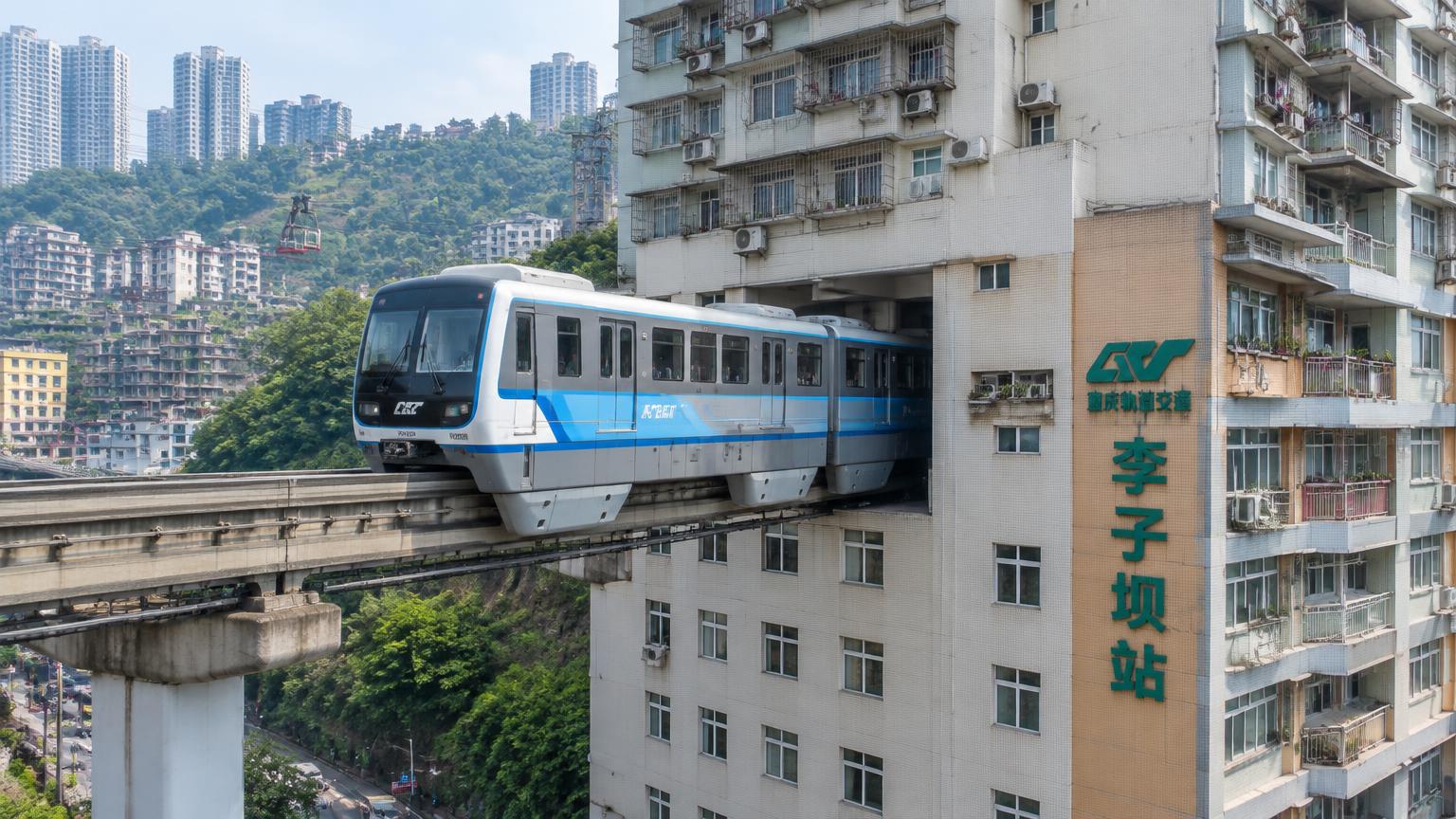
Line 2 of the Chongqing monorail runs straight through the sixth to eighth floors of a residential building at Liziba station, a quirk of the city's mountainous terrain that has made it one of the most photographed transit stops in China. The best viewing spot is the small platform across the river near Liziba Light Rail Station's exterior, reachable by a short walk from Licheng Park. Arrive between 7 and 9 am or after 6 pm when the train frequency is higher, since a good photo means catching the train mid-building.
How do you cross the Yangtze without wasting a whole morning?
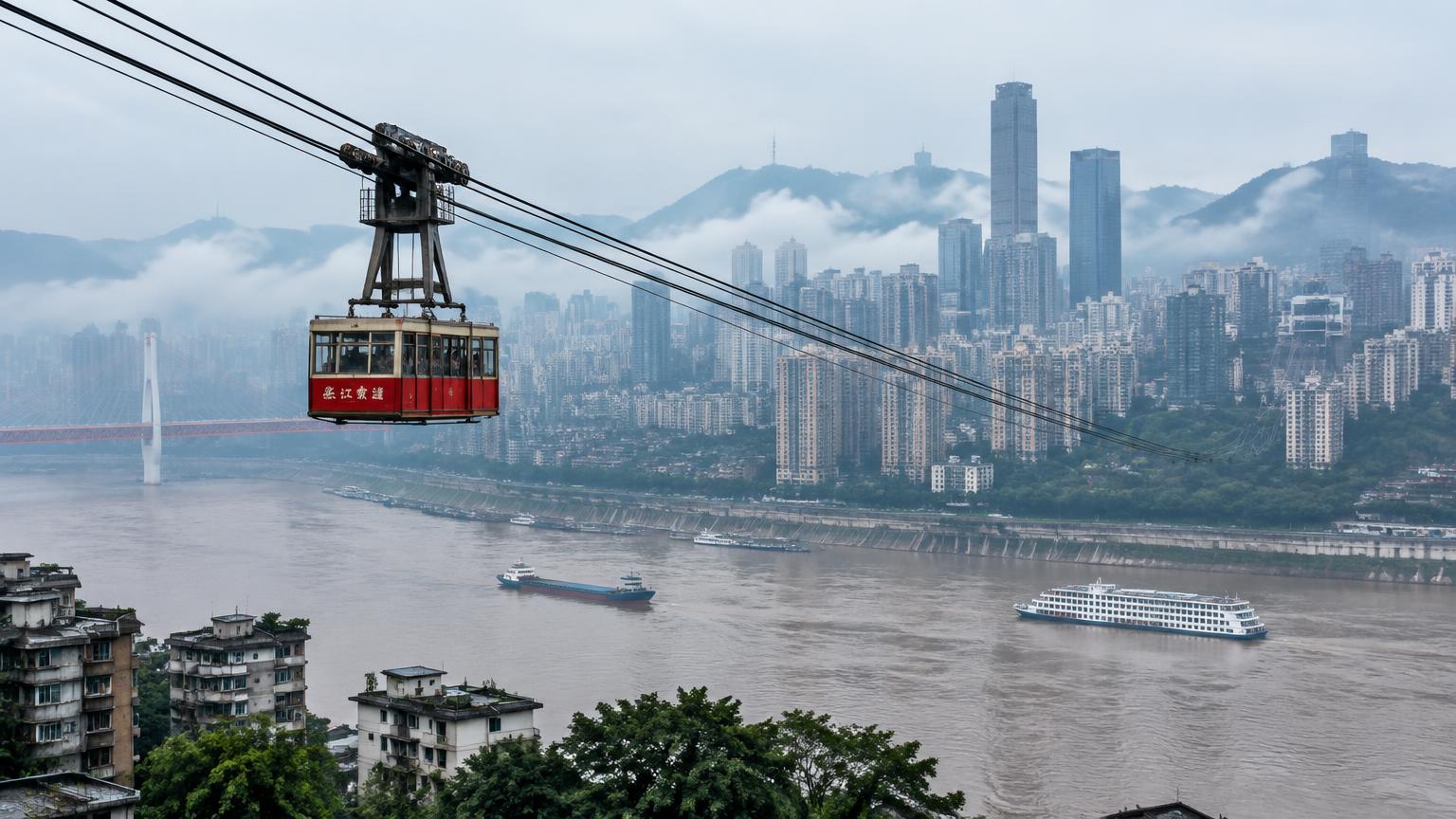
The Yangtze River Cableway near Xinhua Road takes about 4 minutes to glide from the north bank to the south bank, and it's still one of the cheapest, fastest ways to see the city from above the water. Trips run roughly every few minutes from morning until around 10:30 pm, so it fits easily between lunch and an afternoon walk. Pair it with a visit to Eighteen Steps, or Shibati, a steep old stairway neighborhood that has been restored with teahouses and snack stalls while keeping its original stone steps.
Do you need to book Hongyadong or the cable car in advance?
No advance booking is required for either; both are open-access attractions where you simply walk in and pay for the cable car ride on the spot.
Is the Liziba monorail free to watch?
Yes, the famous stretch is a public train line, so you only pay a normal metro fare if you want to ride through the building, and it's free to photograph from the surrounding viewpoints.
What metro lines matter most for a 2-day trip?
Lines 1, 2, 6, 9 and 10 cover almost everything in this itinerary, including Jiefangbei, Liziba, Ciqikou and the Jiangbei riverside district.
What should you eat on a 2-day Chongqing trip?
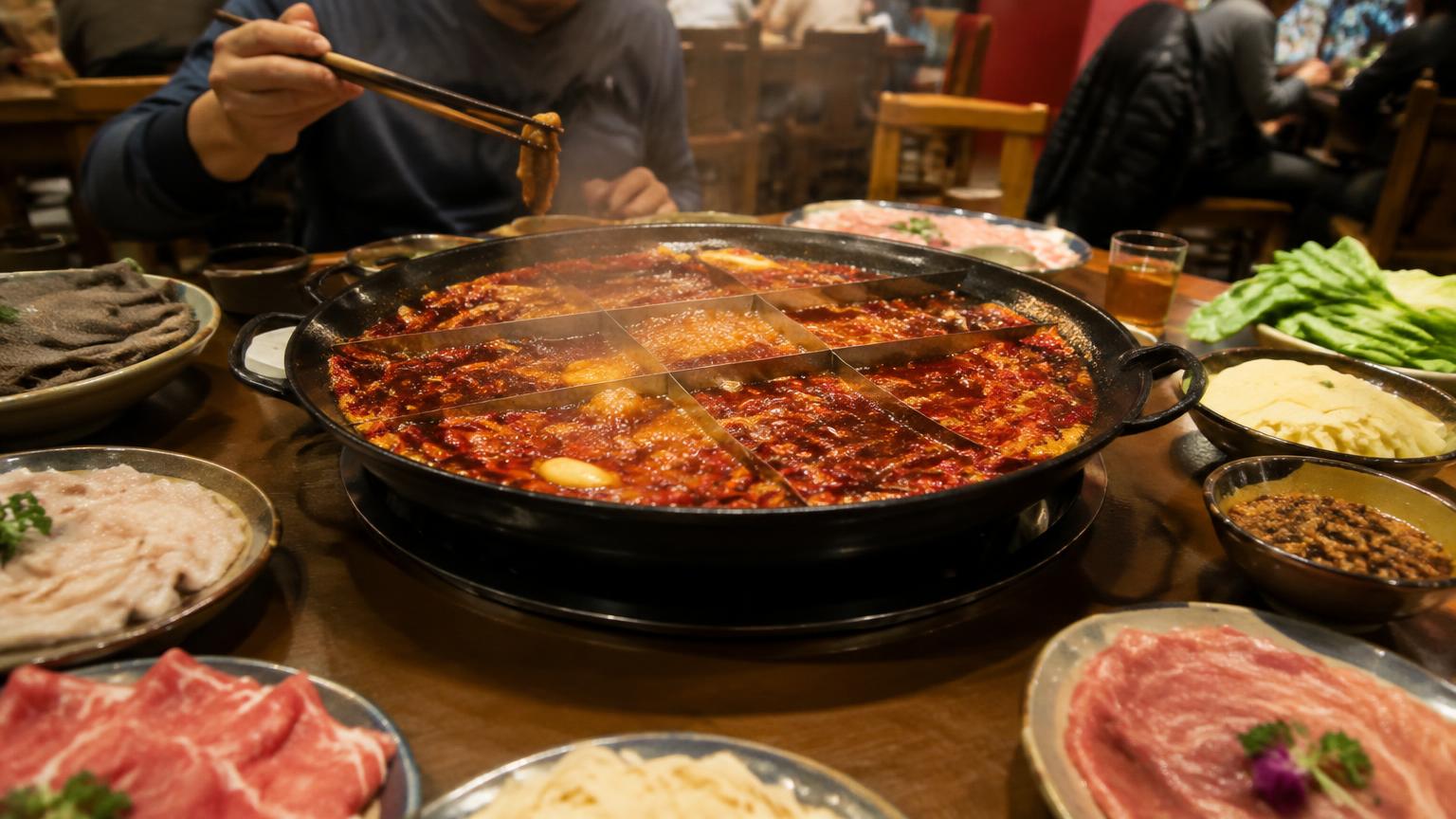
Chongqing, not Sichuan, is where hotpot as most travelers know it actually originated, built around a fiery mala broth of chili and Sichuan peppercorn. Look for a shop offering a yuanyang, or split pot, with a mild side if the full spice level feels intimidating, and order beef tripe, duck intestine and lotus root as classic dips. Xiaomian noodles make a good lighter lunch between sightseeing stops, sold everywhere from street stalls to sit-down restaurants.
What does day two look like?
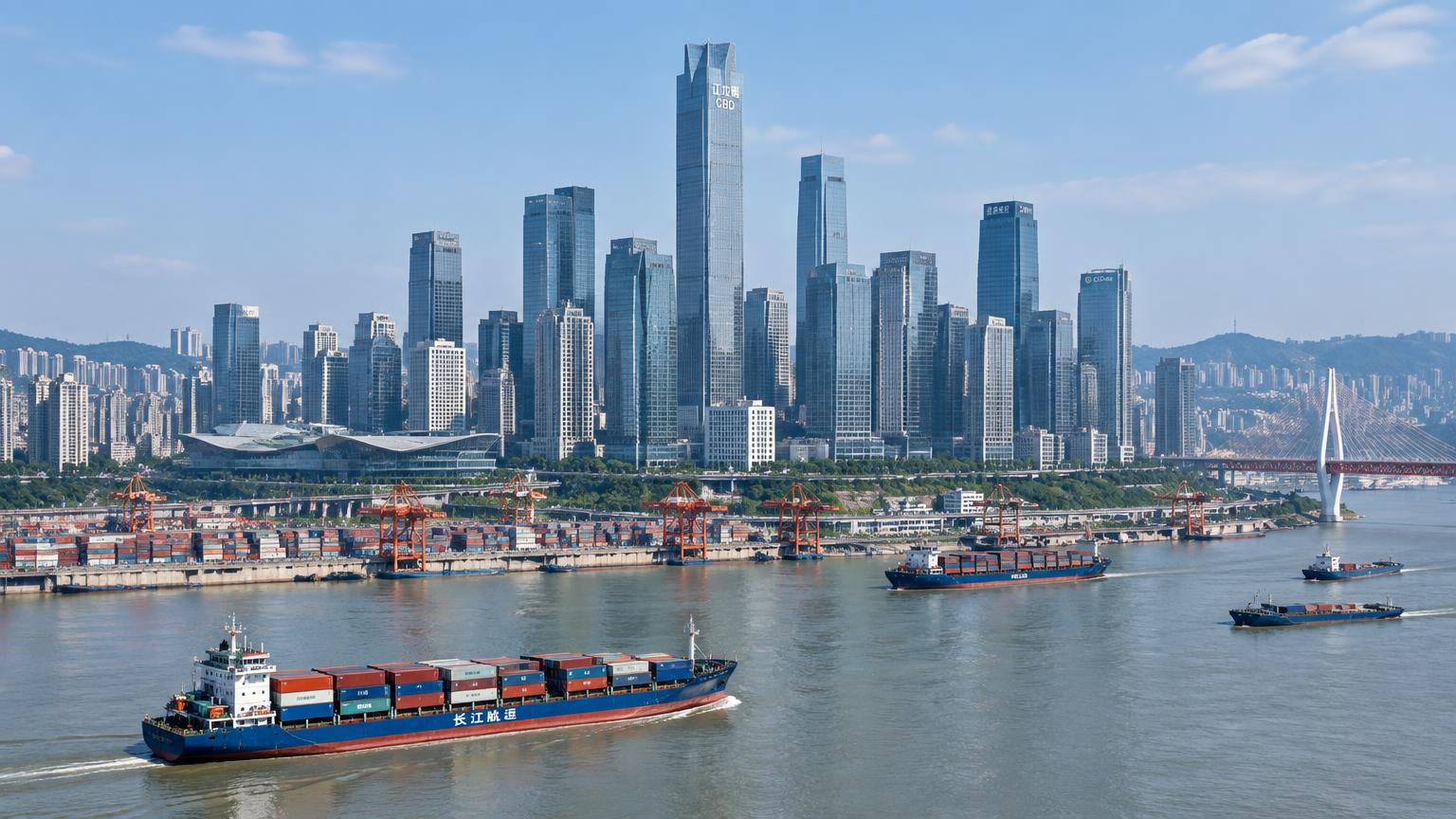
Spend the morning of day two in Ciqikou Ancient Town, a Ming and Qing-era riverside street reachable directly by Line 1, and browse its lanes before the tour groups arrive around 10 am. In the afternoon, take in the CBD views around Jiangbeicheng and Guanyinqiao, then wind down with a slow walk along the riverside promenade as the skyline lights switch on for a second night of photos.
Where is a convenient base for this itinerary?
House of Pearl, a four-bedroom riverside apartment at Longfor Spring River Bank on Beibin Road in Jiangbei District, sits right next to Liyuchi metro station on Lines 9 and 10, just one or two stops from Guanyinqiao and the Jiangbeicheng CBD. That location makes it easy to reach Hongyadong, Liziba and Ciqikou by metro without long transfers, and to come home to river views after a late hotpot dinner.
Is Chongqing walkable, or do you need taxis constantly?
The hilly terrain means some streets are stepped rather than flat, but the metro covers long distances so taxis are rarely necessary if you plan around station exits.
Is two days enough to see the city without feeling rushed?
Yes, if you focus on the downtown core, Liziba and one river crossing on day one, then Ciqikou and the CBD skyline on day two, as outlined above.
What's the best time of year for this itinerary?
Spring and autumn offer the most comfortable temperatures, while summer can be very hot and humid, so evenings become even more important for sightseeing in July and August.
With this route, two days is genuinely enough to leave Chongqing with the photos, the flavors and the sense of a city built vertically into its mountains. Staying near a well-connected metro stop like Liyuchi simply gives you back the extra time that a longer commute would otherwise cost.