2026-09-12 · 8 min
What drives Chongqing's economy today?
Chongqing has grown from an inland industrial base into one of China's most important manufacturing and logistics hubs.
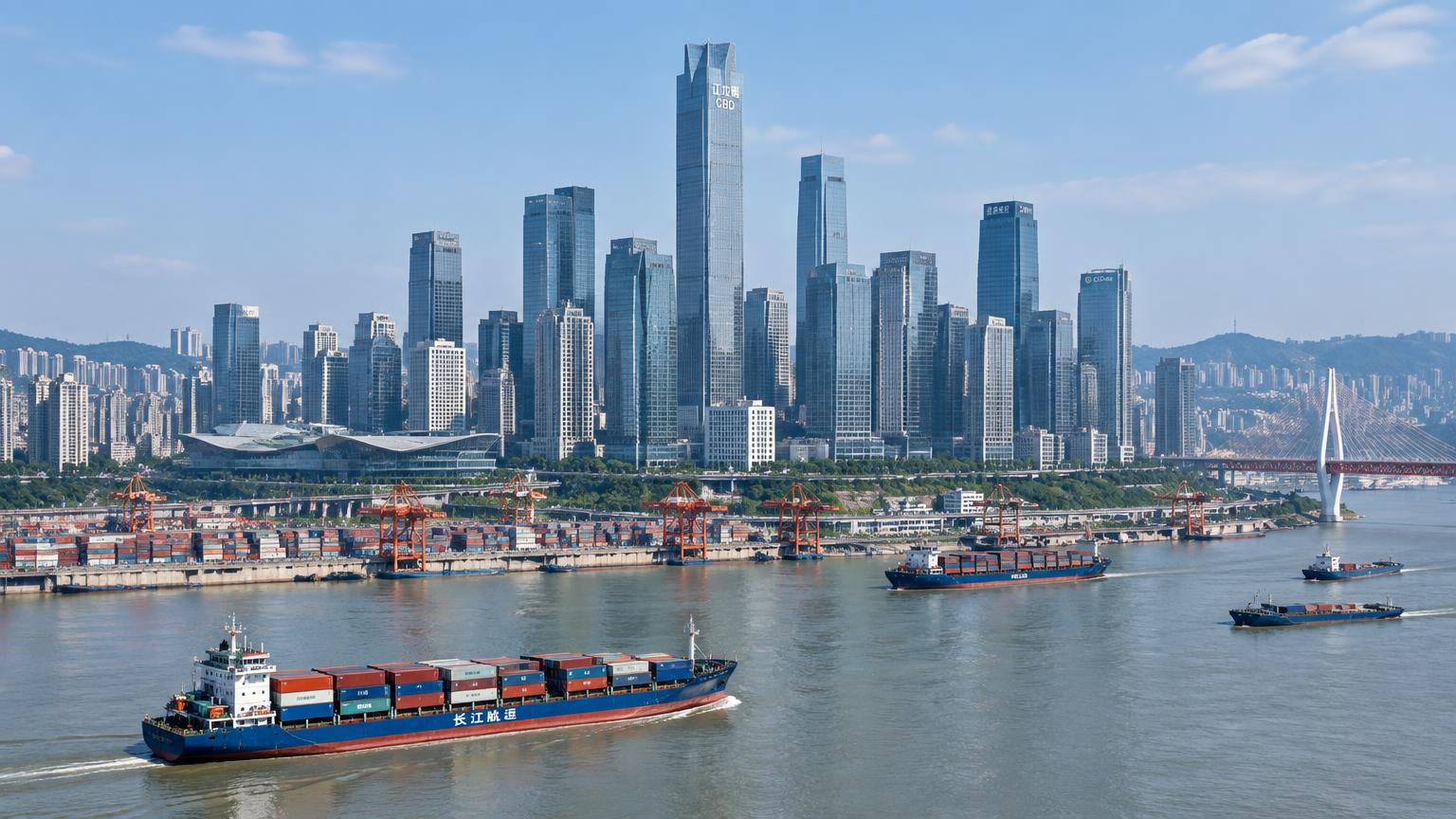
Chongqing is not a city in the ordinary sense so much as a direct-administered municipality, governed at the same level as a province, spread across a mountainous stretch of the upper Yangtze with a population in the tens of millions. For visiting executives and engineers, understanding its economic shape helps explain why so many meetings, factory visits and trade fairs now route through here.
How big is Chongqing, really?
The municipality covers an unusually large administrative area, combining a dense urban core with dozens of surrounding districts and counties. Total population is commonly cited at around 32 million, though the built-up urban area where most business happens is far smaller and more walkable than that number suggests. Scale matters here: Chongqing behaves less like a single city and more like a compact region with its own supply chains.
Why is Chongqing known for cars and motorcycles?
Automotive manufacturing has been a backbone of the local economy for decades. Changan Automobile, one of China's oldest carmakers, is headquartered here, and the surrounding supplier network extends into components, powertrains and increasingly electric drivetrains. Motorcycle production also has deep roots locally, with several domestic brands maintaining plants and export operations in the municipality.
What role do electronics and new energy vehicles play?
Alongside traditional autos, Chongqing built up a large electronics assembly sector, including laptop and computer manufacturing that once made it one of the country's leading production bases for notebook computers. That manufacturing know-how has fed naturally into electric vehicles and battery production, with newer entrants such as Seres expanding EV output and partnerships in the area. The shift from combustion engines to electric and software-defined vehicles is visible in the pace of new plant openings.
Why is the Yangtze River so important to business here?
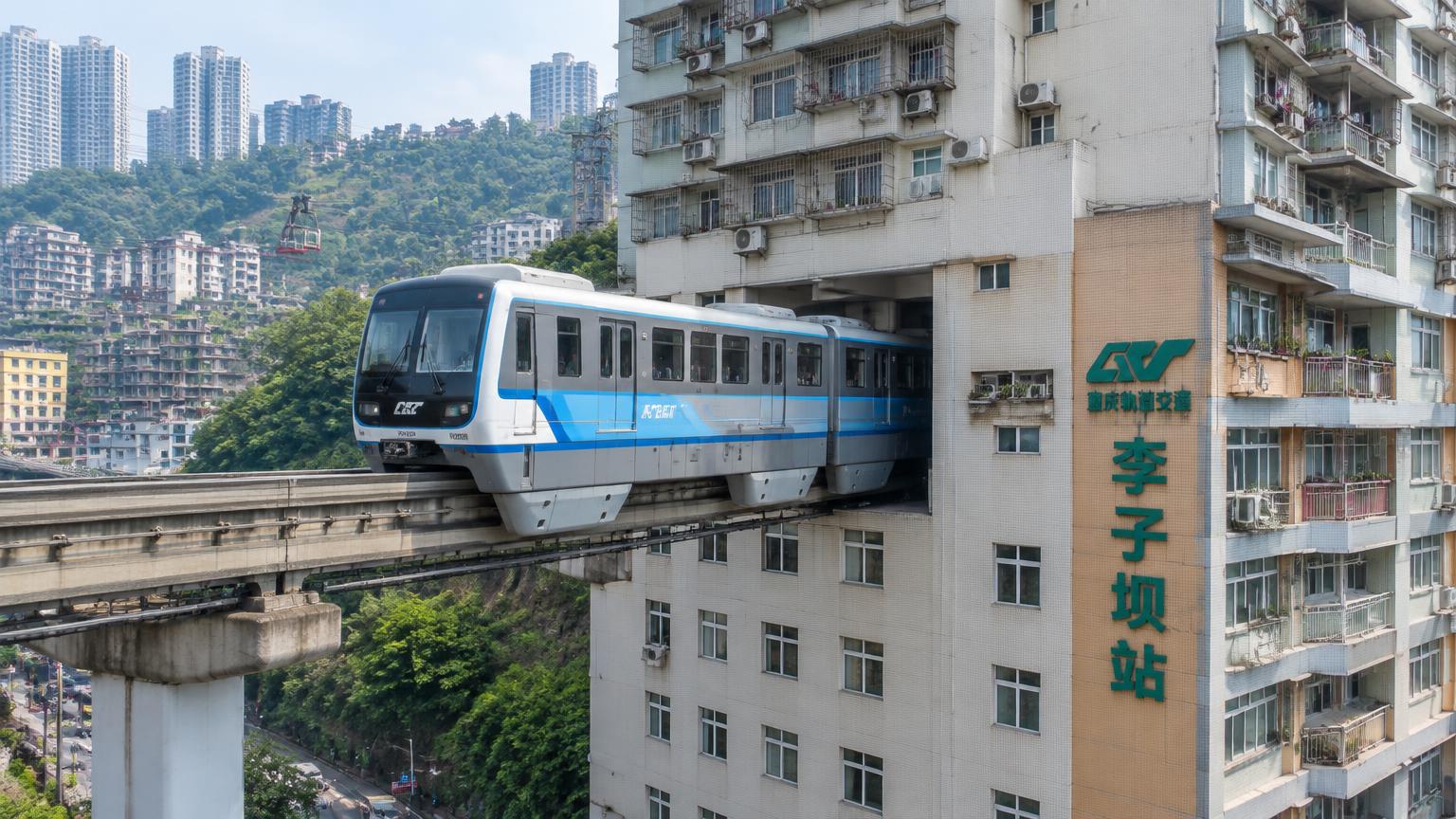
Chongqing sits at the effective head of large-vessel navigation on the upper Yangtze, making it the natural inland port for goods moving toward Shanghai and the coast. Guoyuan Port and other river terminals handle containerised cargo that would otherwise need to travel much further overland, giving manufacturers in the region a comparatively short route to seaborne export markets.
What is the China-Europe rail corridor and why does it start here?
Chongqing was among the first Chinese cities to run regular freight trains toward Europe, on a route often described as Chongqing-Xinjiang-Europe, carrying electronics and components toward Central Asian and European markets in a fraction of the time of ocean shipping. The city has also positioned itself as a starting point for the New International Land-Sea Trade Corridor, which links inland China to Southeast Asian ports through rail and road connections running south. Together these routes give Chongqing an unusually broad set of trade options for an inland city.
Where is new investment concentrated?
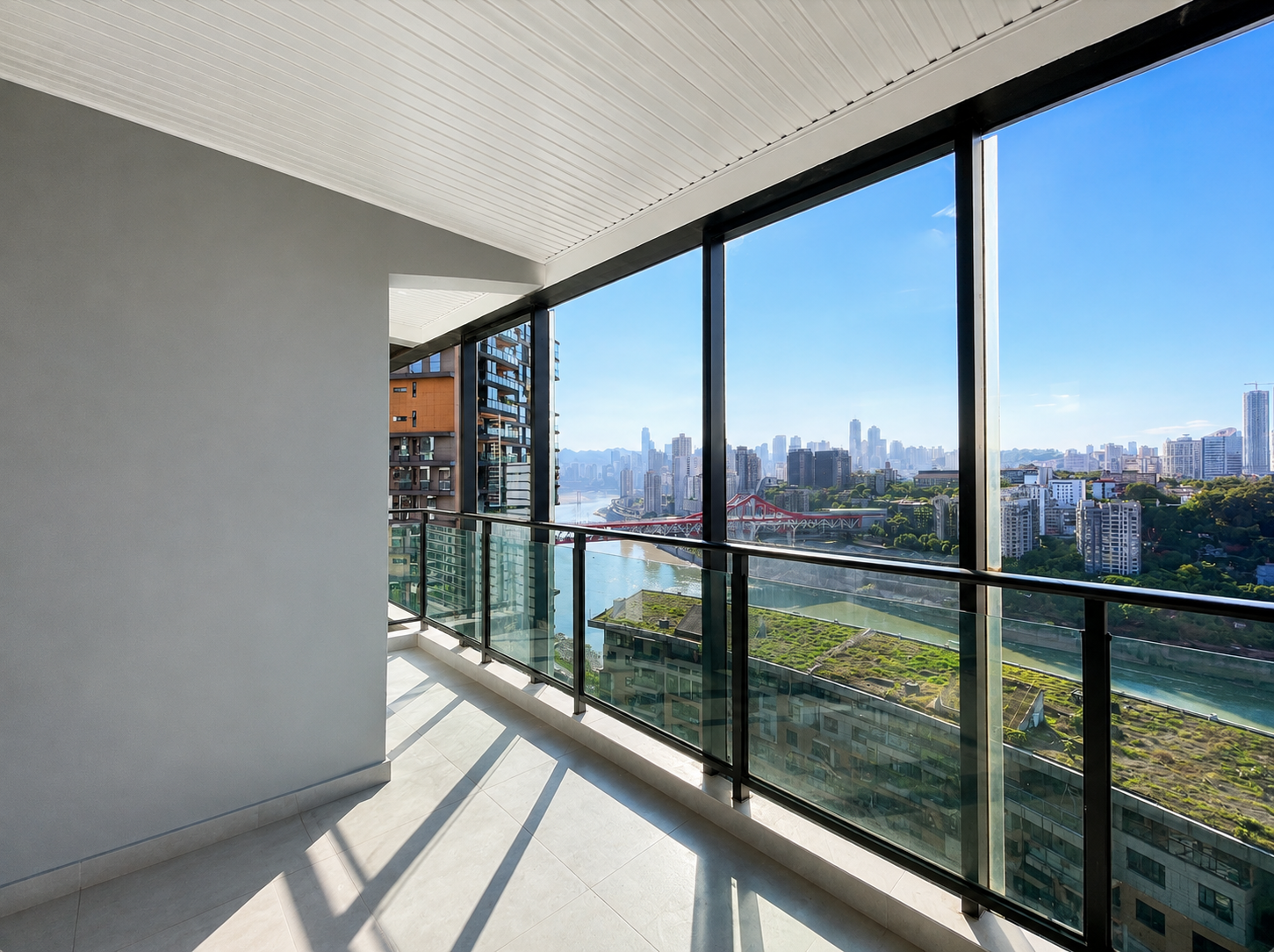
Liangjiang New Area, one of China's state-level new development zones, hosts much of the newer automotive, electronics and logistics investment, along with free-trade-zone functions that simplify customs procedures for manufacturers with import and export needs. Financial and professional services, meanwhile, cluster in Jiangbeicui, the riverside CBD across from the old town, where banks, insurers and corporate headquarters occupy a skyline that has grown quickly in recent years.
Is Chongqing only about heavy industry?
No. Software parks, data centres and AI-related research have expanded alongside traditional manufacturing, often with local government incentives aimed at diversifying the economy beyond autos and electronics. Tourism is also a genuine economic sector in its own right rather than a side note: the city's dramatic topography, riverside night views and historic quarters draw large numbers of domestic visitors, which in turn supports hospitality, retail and transport businesses citywide.
Why do multinational companies choose to set up in Chongqing?
Common reasons include lower operating costs than coastal megacities, an established manufacturing supply chain, strong transport links via river, rail and air, and local government policies designed to attract foreign investment into Liangjiang New Area and related zones.
How does the cost of living compare with Shanghai or Shenzhen?
Chongqing is generally more affordable than China's top-tier coastal cities across housing, dining and everyday services, which is one reason companies find it attractive for operations and staff relocation, even as prices in central districts have risen over time.
Is Chongqing well connected to other business centres?
Yes. Chongqing Jiangbei International Airport offers domestic and a growing number of international routes, and the high-speed rail network puts cities such as Chengdu and Xi'an within a few hours, with Beijing, Shanghai and Guangzhou reachable in half a day or so.
What should a business traveller know before arriving?
Meetings in Chongqing tend to cluster around a handful of districts: Jiangbeicui and Guanyinqiao for finance and corporate offices, Liangjiang New Area for manufacturing and logistics partners, and the Yuzhong peninsula for older commercial and government functions. Because the city is genuinely three-dimensional, with buildings stacked across hillsides and multiple ground levels, allowing extra time between appointments is sensible even when the map distance looks short.
Does transit-without-visa policy make short business trips easier?
China has, at various times, offered visa-free transit arrangements for eligible travellers passing through certain cities including Chongqing, generally allowing a short stay for onward international travel. Rules, eligible nationalities and permitted durations have changed over the years, so business travellers should confirm current terms with an airline or official consular source before relying on this rather than a standard visa.
Where does House of Pearl fit into a business stay?
House of Pearl sits in Jiangbei District on Beibin Road, next to Liyuchi metro station where Lines 9 and 10 meet, which puts guests one to two stops from Guanyinqiao's shopping and dining and from the Jiangbeicheng CBD where much of the finance and corporate activity concentrates. For business visitors juggling calls across time zones or preparing materials between meetings, the apartment's dedicated workspace is a practical detail that a standard hotel room often lacks.
What is the takeaway for someone planning a work trip here?
Chongqing's economy rewards a bit of preparation: knowing which district a meeting is in, understanding the rough logic of the city's transport corridors, and choosing accommodation close to the CBD rather than only near tourist sights. Treat the mountains and river as part of the itinerary rather than an obstacle, and the city's scale becomes an asset rather than a puzzle.
Do I need to speak Mandarin to do business in Chongqing?
Many companies dealing with international partners will have English-speaking staff for meetings, but Mandarin remains the working language for most day-to-day business, so a local colleague, interpreter or translation app is genuinely useful outside dedicated corporate settings.
What is the best way to move around between meetings?
The metro and monorail network covers most business districts efficiently and avoids the hilly street traffic that can slow taxis, making it a reliable option even for guests unfamiliar with the city's layout.